
 Fit Guido Staff
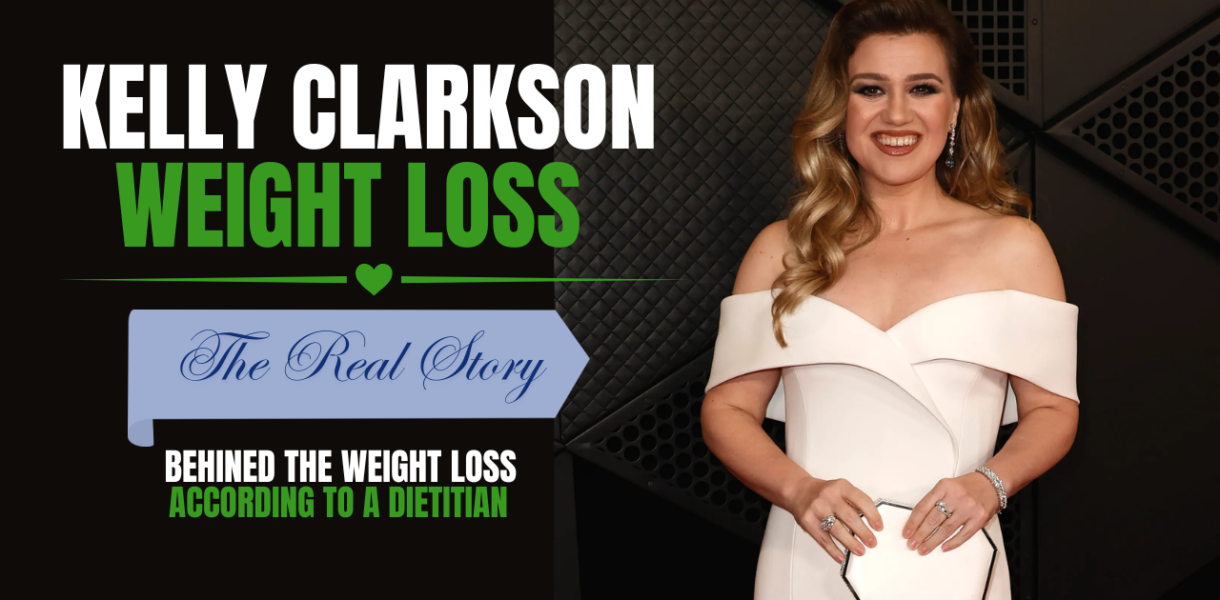
 Kelly Clarkson’s weight loss was one of the most popular celebrity health stories of 2023 and 2024. The American Idol winner and TV persona was seen as more lean. The world was desperate for details like who wouldn’t be?
Did she do a crash diet? Hidden supplements? Or an exercise program? It seems that there’s more than that about Kelly’s weight loss story.
It is a story involving drugs that were prescribed, significant dietary modifications, food with a more relationship-oriented approach, and the desire to avoid fad advice at all costs, which was Kelly’s weight loss strategy. From a nutritional expert’s standpoint, this article gives you Kelly Clarkson’s revelations about her transformation in detail, discusses the techniques she used, and helps us figure out if the methods are safe or replicable. It also provides a detailed, yet real-life, plan of action that follows these principles.
Kelly Clarkson’s Weight Loss Comments
Many celebrities prefer keeping their weight loss secret private; Kelly is the only one who has remained helpful with her story over interviews.
During a 2023 interview, she revealed to the public that she was taking a prescription medication for weight loss. She also mentioned that a doctor had prescribed her the medication following a diagnosis that found her ‘pre-diabetic’ — a term given to a disease state in which sugar levels are slightly high but not enough for a diabetic diagnosis yet.
She has also shared the following ways she changed her lifestyle in order to lose weight:
- Switching to a plant-based way of eating yet still allowing for some animal protein
- Getting rid of the majority of processed foods and refined sugars in what she eats every day
- Walking more, especially outdoors in New York City, as this physical activity was her main type of exercise
- Going with the doctor and the healthcare team and not going for a diet Influencer or celebrity programme
She has clearly said in several interviews that she is not using Ozempic, one of the versions most closely linked to celebrity weight loss of semaglutide, but has said on her own that she has been taking ‘a weight loss drug ‘, without specifying the medication. It is widely reported, though, that it’s a GLP-1 receptor agonist type of medicine.
The Medication: What Are GLP-1 Receptor Agonists?
GLP-1 receptor agonist is a category of drugs that are prescription-only. They were originally created to treat patients who have type 2 diabetes.
They have since become, by far, the most talked-about and prescribed weight loss treatment in the world.
How GLP-1 Drugs Are Effective
GLP-1 is an abbreviation for glucagon-like peptide-1, and it is a hormone that is naturally produced in your gut after you have had a meal. It performs several activities:
1. It causes insulin to be released by the pancreas to bring down a person’s blood sugar level.
2. It slows down gastric emptying so that food leaves your stomach very slowly, making you feel satisfied and full.
3. It acts on brain receptors by decreasing appetite and food cravings.
4. It also brings down the level of glucagon, which lowers the glucose output from the liver.
Overall, combining these four factors, there is a big change: people no longer feel hungry, they reduce eating without hunger, and they lose a lot of weight without dieting compared to a single approach to losing weight just via dieting and physical exercise.
The Most Popular GLP-1 Receptor Agonist Medications
- Semaglutide (Ozempic/Wegovy): It is by far the most popular one. Ozempic is available as a drug for type 2 diabetes, whereas Wegovy is used as an aid to weight loss management for an obese population. A single shot is administered once a week only.
- Tirzepatide (Mounjaro/Zepbound): A new drug acting on two different pathways (Gastric Inhibitory Polypeptide and GLP-1) simultaneously, has demonstrated weight loss results significantly higher than other drugs in trials. Weekly injections only.
- Liraglutide (Saxenda): A former GLP-1 agent used by injection every day. It is still commonly dispensed by doctors here and overseas (especially in the UK and Australia).
- Oral semaglutide (Rybelsus): A type of daily pill form of semaglutide, which is the first orally administered GLP-1 receptor agonist for the treatment of type 2 diabetes, but can also be used to manage weight loss without the diabetes diagnosis (off-label usage).
Clinical Evidence for GLP-1 Weight Loss
The evidence speaks very loudly. In an impressive clinical trial published early in 2021 in the New England Journal of Medicine, researchers were able to document a loss of about 14.9% of the initial weight among the participants in the semaglutide group who were followed up for 68 weeks – which means that someone going from 100kg to a normal weight of 100kg will have lost a good 15kg. Even more excitingly, tirzepatide trials revealed even greater results with certain users dropping as much as 22% of their body weight. These two, however, are quite similar in their mechanism of action, and neither one is a miracle pill. When a person is already on these medications, he or she might need a little bit of help with changes in eating habits and exercising more. In the absence of drug therapy, the weight that has been lost tends to come back quite gradually. Kelly, in fact, has been mentioning that this happens quite often to people at various times while they were going through the process of weight loss.
Kelly’s Diet Changes: What She Ate
Alongside medicine, Kelly has been vocal about the dietary changes that helped her get in shape.
Eating Plant-Based Food
When asked, Kelly stated that she is leaning more toward a plant-based eating style, where fresh vegetables, legumes, whole grains, and fruit take center stage on her plate. On the contrary, she consumes red meat and processed food in lesser amounts. A diet like this is backed by studies to be a great way to lose fat and improve cardiovascular health. The idea of a plant-based diet is very far from following vegan, or even being a strict vegetarian. Kelly still consumes the odd bit of animal-based protein, but her dependency on fast food and processed food in general has gone down drastically. This type of change alone is enough to slash one’s calorie intake by a large margin without having to even think about counting.
Eliminating Processed and Refined Food
Eliminating processed food most of the time and decreasing consumption of refined sugar are changes Kelly clearly emphasized.
Dietitian advice along these lines is the most effective type of professional guidance when it comes to helping someone reach goals and maintain weight loss over a lifetime. Processed food, which is high in calories, low in fiber, and has ingredients engineered to make people stop eating, is being taken out of the diet at the same time as refined sugar, which leads to an insulin spike and a build-up of fat in the abdominal area.
No Extreme Calorie Restriction
Kelly has not apparently been following a very low-calorie diet or any extreme form of restriction. A GLP-1 medication is mainly responsible for a significant decrease in appetite, so she ends up eating much less without being deprived.
This is actually quite different from crashing. Crash diets cause a number of physical changes that make it even harder for people to lose weight long term. There are things like slowed metabolism, a surge in the hunger hormones, and loss of muscle. The changes that occur as a result of a body reacting to a severe restriction won’t happen as strongly when the appetite is regulated via a GLP-1 mechanism.
How Kelly Stays Active – Walking is the Starting Point
We all know that the most impressive part of Kelly’s weight loss is that she didn’t talk about an elaborate gym routine. Her main physical activity has been walking – which, in a way, is her way of enjoying being in NYC and walking more.
The Power of a Simple Walk
It’s quite surprising, isn’t it? The simplest physical activity can produce the greatest results. It is no longer a wonder since studies keep showing that the more you walk, especially from the very beginning when you were sedentary, the more fat you will burn in a matter of time.
- 10,000 steps a day for an average adult will burn around 400-500 calories extra.
- Walking decreases visceral fat (that deep belly fat) regardless of your diet.
- A daily walk improves your blood sugar levels so carbohydrates are efficiently used by the body.
- It doesn’t strain your body and is therefore very unlikely to cause injury
In the case of an overweight individual, walking would usually be the safest and easiest activity to start before high-intensity exercises. Plus, it goes well with GLP-1 medications in terms of reducing food desires.
Adding Strength Training
Even though the statements Kelly makes publicly are mostly about walking, in reality, the ideal programme for weight loss and change in body composition would certainly include resistance training. This is especially crucial because GLP-1 medication can cause appetite suppression.
But if there is no resistance exercise, then not only fat is shed, but also a part of the muscle mass, which is not desired at all because it can lead to a deterioration of body composition and an unhealthy metabolic state in the long run.
The goal is to do around 2 and not over 4 sessions of strength work each week (bodyweight, resistance bands, or gym-based) with a regular daily walking programme for best results.
Can You Replicate Kelly’s Weight Loss?
Here is what a dietitian honestly thinks about the possibility of you being able to achieve the same results as Kelly Clarkson:
| Factor | Kelly’s Approach | DIY Alternative |
| Main factor | GLP-1 prescription + diet | Diet + daily workout calorie deficit |
| Diet kind | Plant-based and whole foods only | Healthy and balanced, whole foods |
| Portion size and meal timing | Restricted, few amounts of processed food | Meals composed from: proteins, vegetables, complex carbohydrates |
| Sport activities | Walking and some other forms of exercise throughout the day | Strength training 3 to 5 times per week and daily 8,000 steps |
| Expert help | In the case of medical services, doctors are responsible for the entire care. | Nutritionist + medical doctor referral |
| Weight loss period | Approx 40 – 50 lbs over 1 year to 1 ½ years. | 100-200 grams/week goal if weight loss is to be maintained. |
| Pricing | Approx. $800 to $1,200 per month (prescription only) | About $100 to $200 every month (food therapist + gym membership) |
Actions to Take Without Medicine
- Removing highly processed food and sugar from your meals
- Transitioning to a plant-based diet along with proper protein intake
- Making an effort to walk 8,000-10,000 steps every day as much as possible
- Visiting a registered dietitian for tailored advice
- Getting rid of any existing metabolic disorders through your GP
Things Involving Getting Medical Treatment
- GLP-1 drugs, which are only available with a prescription
- Being tested for pre-diabetes, insulin resistance, or an inactive thyroid that might be responsible for weight gain
- Medical monitoring by a physician if a person has health complications
In the event that you believe an underlying metabolism problem is the reason you have not been able to lose weight even while cutting down your food intake, you are experiencing symptoms like weight that is hard to lose even with diet restriction, tiredness, excessive desire for the toilet, etc., consult your physician or arrange for an online physician consultation via the telehealth platform within your country.
How to Get a GLP-1 Prescription: Cost and Access for Different Groups
Only doctors can prescribe GLP-1 medications around the world. These are mostly prescribed to:
- Individuals with a BMI over 30 (obese classification)
- Those with BMI over 27 and at least one weight-related illness (such as type 2 diabetes, hypertension, hyperlipidemia, sleep apnoea)
- Patients with a history of failed efforts at losing weight
The cost depends a lot on the country and if you have insurance:
| Country | Dietitian Cost | Telehealth Platform | Insurance Coverage |
| United States | $100–$200 per session | Teladoc, Hims, Ro | ACA plans – many are covered |
| United Kingdom | £70–£120 per session | BUPA, Liva, Numan | NHS referral available |
| Canada | CAD $100–$180 | Maple, Tia Health | Provincial plans vary |
| Australia | AUD $120–$200 | HotDoc, MyHealth1st | Medicare CDM plan |
Insurance Coverage for GLP-1 Medications
The coverage of Wegovy (semaglutide for weight management) by some US commercial insurance companies has been expanding, although Medicare Part D still does not cover it.
Patient co-payments for the brand version of GLP-1 drugs could be over $900 to $1,500 per month if the drug is not covered at all.
The NHS in Great Britain has agreed to the use of Wegovy (semaglutide) for weight management in Specialist Weight Management Clinics after 2023, with gradual access available. NICE guidelines cover individuals with a BMI of 35 or higher and with at least one weight-related co-morbidity.
Currently, in Australia, Ozempic has been listed as a type 2 diabetes medicine on the Commonwealth Government’s Pharmaceutical Benefits Program (PBAC); it’s only indicated for type 2 diabetes and therefore is considered a weight-loss medicine. Wegovy will not be available from the PBAC while applications are made through the PBAC.
The provincial plans covering Ozempic in Canada for type 2 diabetes are mostly Health Canada-approved ones. Wegovy’s Health Canada approval was in 2021, and coverage varies from one province to another. Private insurance companies are beginning to include its coverage.
GLP-1 is available as a prescription from online doctors in a couple of countries after a patient’s physical checkup and a remote assessment:
- US: Doctors can do a medical interview and issue a prescription from the comfort of one’s living room through virtual appointments. Some examples of these online services are Hims & Hers, Ro, Sequence, and Calibrate
- UK: Patient GLP-1 programs are available for remote consultation – examples: Numan, Superdrug Health Clinic
- Canada: Digital weight management clinics are one of the new ways patients can get Ozempic – Online weight management is also part of it – Example: Maple
- Australia: Through weight management at home with virtual consultations, you can get access to GLP-1 medications on a Juniper platform run by Eucalyptus.
Is Kelly’s Approach Safe to Follow? Risks and Considerations
GLP-1 Medication Side Effects
Although GLP-1 medications have generally been shown to be safe and effective if medically supervised and dosed properly, patients should still be aware of their side effects. These are likely to go away or diminish with time, but if they get worse or cause a lot of discomfort, you should tell your doctor.
Some of the common side effects are:
- Nausea (one of the most frequently complained side effects – it is typically most severe when medication has been started recently, i.e., 4-8 weeks)
- Upset stomach that may result in vomiting or severe diarrhea (usually with higher doses of medication).
- Constipation
- Fatigue
- Reduced appetite (the desired effect; however, it can lead to weight loss if the food intake becomes too low).
Rare but potentially very serious adverse drug reactions include an increased risk of pancreatitis and of thyroids developing nodules and tumours according to animal experiments; however, there is no human evidence to support the latter, and thus it is closely monitored only.
GLP-1 drugs shouldn’t be taken by people having themselves or relatives of theirs diagnosed with cancerous growth (tumor) related to medullary thyroid carcinoma or multiple endocrine neoplasia type 2.
A physician’s supervision is essential in the prescription use of these drugs, and it should never be a situation where the medications are acquired through unlicensed online channels/compounding pharmacies without a doctor’s oversight.
The Risk of Muscle Mass Reduction
The amount of muscle reduction one can suffer from weight loss, either through GLP- 1 medications or a strict calorie restriction program, is a risk rarely pointed out
Preservation of muscle mass when losing weight demands:
- Protein consumption should be sufficient (about 1.6–2.2g/kg of body weight per day)
- Doing weight-resisting exercises regularly (at least two to three times a week)
- Creating a calorie deficit, but not too huge
If such precautions are not taken, major weight fluctuations could bring not only a lower figure on the scale but also a much slower metabolism, weak bones, and a worse overall body fat profile.
Dietitian-Approved Takeaways From Kelly Clarkson’s Story
Takeaway 1: Besides everything she did, which we are about to go through, Kelly is one of the lucky few who had medical professionals on the team who were involved in her health transformation, not merely a trend or influencer programme. No matter which approach you take, getting expert guidance leads you on the fastest, safest way.
Takeaway 2: The healthiest dietary decision one can make, which Kelly did and which applies equally if they are on GLP-1 drugs or not, is getting rid of ultra-processed items and added sugar. These are the culprits behind weight gain that most Western-diet consumers face.
Takeaway 3: Physical activity such as walking is a totally accepted, research-proven, and even a recommended way to lose weight. When a gym is physically not available, is too expensive, or makes one feel uncomfortable about exercising, then 8,000 steps a day is a very good starting point. There is no cost involved, and the long-term consequences are impressive.
Takeaway 4: Kelly has been outspoken about how weight loss doesn’t follow a straight line. There are days and weeks when one relapses, stagnates, or just feels like a failure. Yet it is the general improvement of the body condition one needs to aim at rather than every little change on the scale.
Takeaway 5: If you believe there’s something pre-diabetes, insulin resistance, or the presence of other metabolic conditions that is blocking a weight loss effort in you, get tested! Diagnosis at an early stage can have a big effect on the nature of treatment; it also may mean that you will get to go on a medically supervised weight loss programme that will be covered by insurance.
Conclusion
Weight gain is often attributed to willpower deficiency, but that could not be further from the truth. Kelly Clarkson shared her weight loss story, which wasn’t a miracle supplement, a fad diet, or an extreme regimen. It was the result of medical treatment, nutrition-wise modifications, and exercise. And all these were done under a professional healthcare team’s assistance.
The lesson of her story is that weight transformation that comes about in one’s body without being lost is only made possible if you confront the source of the issue and not rely solely on self-discipline. Whether it’s because of insulin resistance or metabolism issues, there will be those who have the means to obtain GLP-1 medication. Others will require it. But everyone can implement the changes Kelly made with diet: minimizing processed food, more plant-based meals, no refined sugar, and moving consistently. This is the secret sauce.
The key here is consistency. It is not dramatic. It can take time. But it is evidence-based, affordable, and it is available to all – you can have medical help with it or only a basic GP referral.
Whereas the first step to take if you want to get moving is to chat with your doctor or even a dietitian. In most places, such as the US, UK, Canada, and Australia, many are accessible via telehealth now; it’s the easiest way to get professional help.
You are worth the effort, and the best kind of help will always be right on time to change things.
Medical Disclaimer
These pages offer educational and informational content only and do not serve as a substitute for medical care, professional medical diagnosis, or dietary guidance from a certified medical practitioner.
Your individual medical needs may vary; consult a doctor or an authorized medical practitioner always before you make major changes in your diet. Also, keep in mind that FitGuido does not offer any recommendation or support, either explicitly or implicitly, for any product or service named in this article.